
10 Decoration Ideas For Room
A room is never just a physical space. It is a container for habit, emotion, and memory. We wake up in rooms, rest in rooms, think in rooms, celebrate in rooms, and sometimes retreat from the world inside them. Because of this, the way a room is decorated quietly but powerfully influences how we live.
Room decoration is often treated as a surface concern — something done for appearance, guests, or photographs. Yet the most successful rooms are not those that look impressive at first glance, but those that feel right over time. A well-decorated room supports the rhythm of daily life. It makes movement easier, rest deeper, and presence more natural.
Historically, decoration followed function. Objects were chosen for usefulness, durability, and meaning. Beauty emerged through proportion, material, and care. In contrast, modern interiors often emphasize novelty and trend, resulting in spaces that photograph well but age poorly.
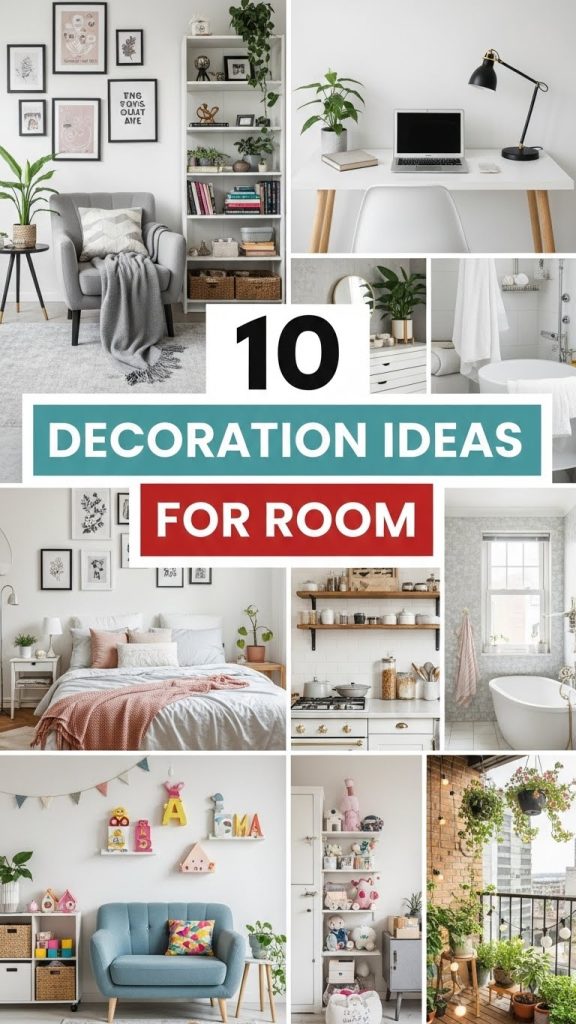
This essay explores ten room decoration ideas that focus on longevity rather than fashion. Each idea considers how space is experienced emotionally and physically, offering approaches that work across room types — living rooms, bedrooms, studies, and shared spaces. These ideas are not rules, but principles designed to help a room become more livable, grounded, and personal.
1. Establish a Clear Purpose for the Room
Before adding décor, the most important step is understanding what the room is meant to support. A room without a clear purpose often feels unsettled, no matter how beautiful its objects are.
Ask simple questions: Is this room for rest, conversation, creativity, or transition? Will people linger here or pass through quickly? Is it private or shared?
Once the room’s role is clear, decoration becomes easier. Furniture placement, lighting, and object selection begin to align naturally. A reading room prioritizes comfort and light. A social room prioritizes seating and flow. A quiet room prioritizes softness and enclosure.
Decoration should reinforce function, not compete with it. When purpose leads, the room feels intuitive rather than forced.

2. Build the Room Around a Cohesive Color Story
Color is one of the strongest emotional influences in a room. It affects mood, energy, and perception of space. Yet many rooms feel disjointed because colors are chosen individually rather than as part of a whole.
A cohesive color story does not mean monotony. It means relationship. Colors should feel connected — either through tone, warmth, or intensity.
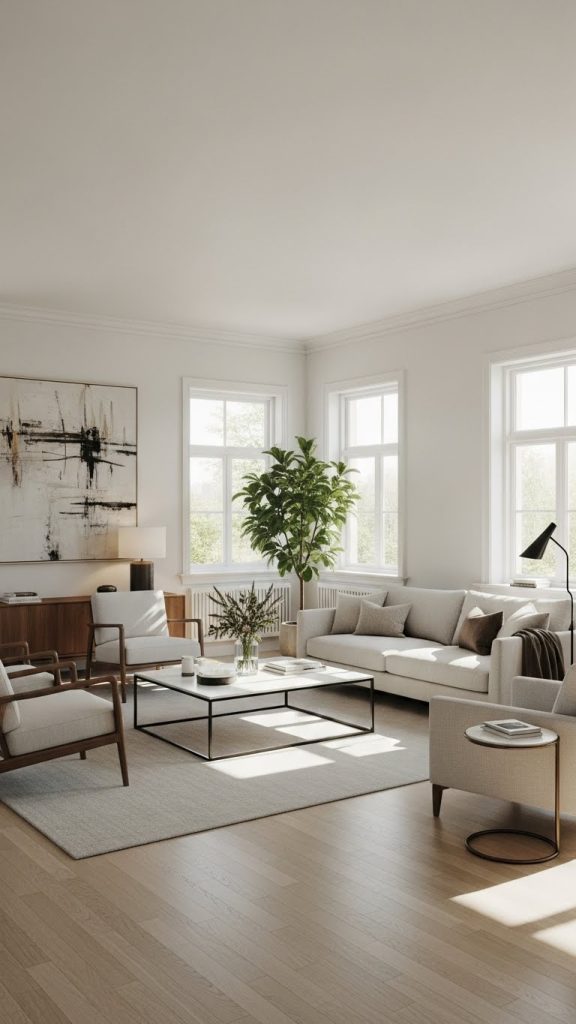
Neutral bases allow flexibility and longevity. Soft whites, warm beiges, muted grays, and natural wood tones create stability. Accent colors can then be layered through textiles, art, or smaller objects.
When color choices are intentional, the room feels settled. The eye can move without interruption, which allows the mind to relax.

3. Use Lighting to Shape Mood, Not Just Visibility
Lighting is often treated as purely functional, yet it has a profound impact on how a room feels. A space can be beautifully furnished but feel uncomfortable if lighting is harsh or poorly placed.
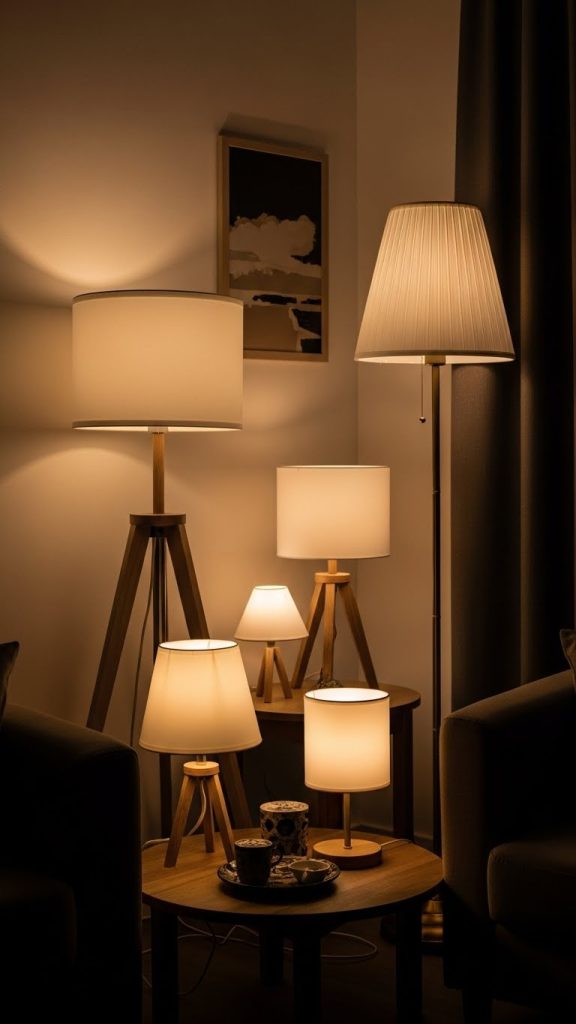
The most successful rooms use layered lighting. Ambient light sets the overall tone. Task lighting supports specific activities. Accent lighting highlights texture or objects.
Warm light encourages calm and intimacy, while cooler light increases alertness. In living spaces and bedrooms, warmer tones are usually more appropriate. Dimmers add flexibility and allow the room to adapt to different times of day.
Lighting should never dominate the room. When done well, it fades into the background while shaping atmosphere quietly.
4. Layer Textures to Add Depth and Comfort
Texture adds richness without visual noise. A room filled only with smooth surfaces often feels cold or unfinished, even if the color palette is beautiful.
Layering textures introduces softness and complexity. Fabric against wood, matte against sheen, rough against smooth — these contrasts create balance.
Textiles are an easy way to add texture: rugs, curtains, cushions, throws, and upholstered furniture. Natural materials such as linen, wool, cotton, and leather age well and feel grounding.
Texture makes a room feel lived in rather than staged. It invites touch and encourages comfort.

5. Choose Furniture for Proportion and Flow
Furniture should support movement as much as appearance. A room that feels cramped or awkward often suffers from poor proportion rather than lack of décor.
Each piece of furniture should relate appropriately to the room’s size. Oversized furniture overwhelms small spaces, while undersized furniture can feel temporary or disconnected in larger rooms.
Equally important is flow. Walkways should be clear. Doors should open easily. People should move naturally without navigating obstacles.
A well-furnished room allows the body to move effortlessly. When flow is right, the room feels calm and intentional.
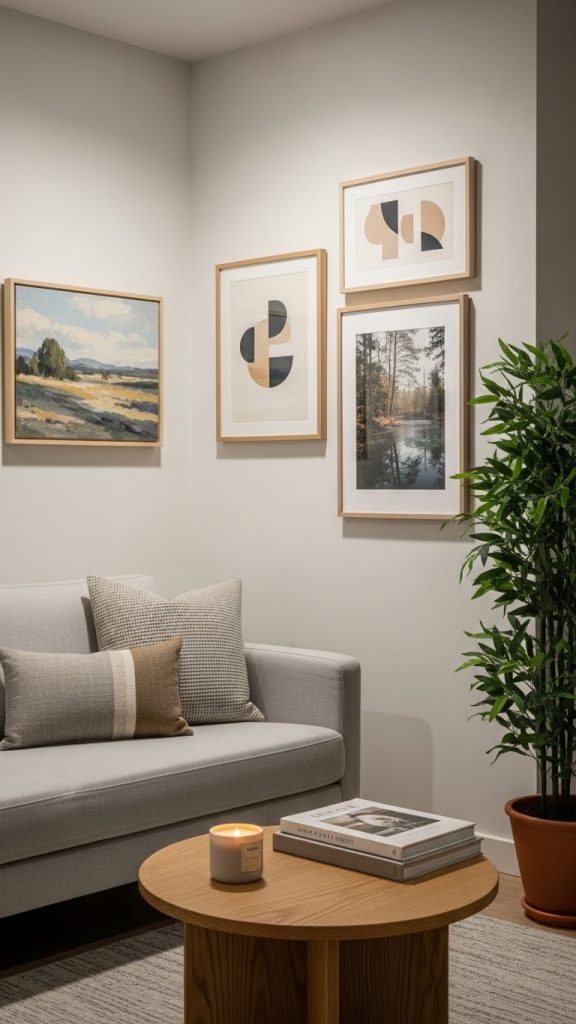
6. Decorate Walls With Meaning, Not Filler
Blank walls do not need to be filled immediately. When wall décor is chosen hastily, it often becomes visual noise rather than enhancement.
Wall decoration works best when it carries meaning or supports atmosphere. Art, photographs, mirrors, and textiles all serve different purposes. The choice should reflect the room’s function and tone.
Scale matters. Large walls need fewer, larger pieces rather than many small ones. Small rooms benefit from restraint to avoid visual clutter.
When wall décor is intentional, it anchors the room emotionally. It tells a story rather than filling space.
7. Use Natural Materials to Ground the Space
Natural materials have a stabilizing effect on interiors. They connect the room to the physical world and introduce subtle variation that synthetic materials often lack.
Wood, stone, clay, linen, wool, and leather add warmth and texture. They reflect light softly and feel pleasant to the touch.
Natural materials also age gracefully. Scratches, wear, and patina add character rather than detract from beauty.
A room grounded in natural materials feels calm, authentic, and durable — qualities that support long-term comfort.

8. Balance Minimalism With Personality
Minimalism is most effective when it removes excess without removing character. A room that is too sparse can feel impersonal, while a room with too many objects can feel overwhelming.
The goal is balance. Choose fewer objects, but choose them well. Each item should have a purpose — functional, emotional, or aesthetic.
Negative space is as important as décor. Empty areas give the eye rest and allow objects to stand out.
A balanced room feels intentional rather than bare, personal rather than cluttered.

9. Incorporate Personal Objects Thoughtfully
Personal objects are what transform a room from styled to lived in. They add identity and emotional depth.
Books, photographs, souvenirs, heirlooms, and handmade items all belong in a room — but they benefit from thoughtful placement. When scattered randomly, they feel chaotic. When grouped or placed deliberately, they feel meaningful.
Personal objects should be visible enough to be appreciated, but not so numerous that they dominate.
A room that includes personal items feels honest. It reflects the person who lives there rather than an abstract ideal.

10. Allow the Room to Evolve Over Time
One of the most overlooked decoration ideas is patience. Rooms do not need to be finished all at once.
Living in a space reveals what it needs. Over time, you notice where light falls, where you naturally sit, what feels missing, and what feels unnecessary.
Allowing a room to evolve leads to better decisions. Objects added gradually tend to have more meaning and longevity.
A room that grows with you feels alive rather than static. It adapts, reflects change, and remains relevant.

Conclusion: A Well-Decorated Room Supports Life
Room decoration is not about perfection. It is about alignment — between space and habit, between beauty and function, between intention and comfort.
The most successful rooms are not those that follow trends, but those that support daily life quietly and consistently. They invite rest, conversation, creativity, or reflection without demanding attention.
When decoration is thoughtful, a room becomes more than a backdrop. It becomes a partner in living — shaping how we move, feel, and exist within it.
A well-decorated room does not announce itself. It welcomes you back, again and again, exactly as you are.