
10 Easter Kindergarten Crafts
Easter is one of the most popular seasons for creative activities because it combines color, simple shapes, and playful themes that young children naturally enjoy. Pinterest ideas related to Easter kindergarten crafts often focus on easy projects that help children practice fine motor skills while producing decorations they feel proud to display. A well-planned craft activity supports learning through cutting, gluing, coloring, and arranging materials, all while keeping the process beginner friendly and structured.
Kindergarten-level projects work best when they follow clear steps and use safe, familiar materials. Simple paper crafts, recycled supplies, and handmade decorations allow children to understand how basic shapes and textures come together to form something meaningful. Many trending ideas on Pinterest emphasize easy project setups that teachers or parents can prepare quickly without complicated tools. This makes the activities practical for classrooms, homeschool environments, or weekend creative sessions.
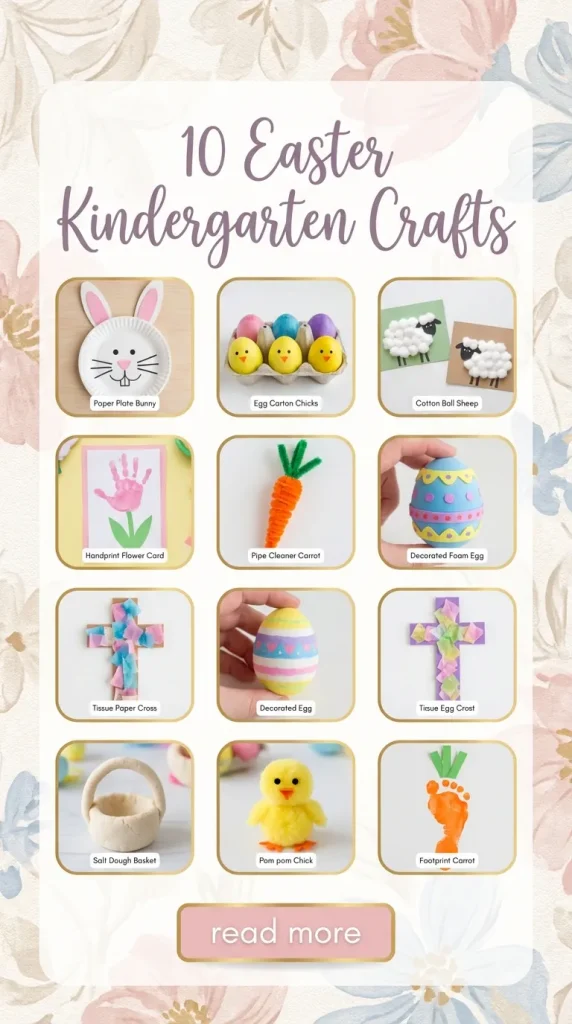
This article presents ten original Easter craft ideas designed specifically for young children. Each creative project includes clear instructions, materials, and practical guidance to ensure smooth execution. The goal is to combine DIY fun with educational value, helping children develop confidence while exploring color, pattern, and organization through step-by-step creation. These ideas also support modern design trends such as minimalist style, soft pastel aesthetics, and handmade decoration concepts often seen in Pinterest inspiration boards.
Paper Plate Easter Bunny Faces

Intro
Paper plate bunny crafts remain a trending Pinterest idea because they are simple, affordable, and visually appealing. Young children immediately recognize bunny shapes, making this an easy project that encourages creativity without overwhelming them. The circular shape of the plate acts as a ready-made base, reducing preparation time while helping children focus on decoration and expression.
This craft supports early design skills by allowing kids to choose colors, ear shapes, and facial details. It also introduces basic symmetry when placing ears and facial features. Because the materials are lightweight and safe, this activity works well for group settings and home crafting sessions.
How to Make
Start with a plain paper plate as the bunny face. Cut two long ear shapes from construction paper and attach them to the top of the plate. Children can glue cotton balls or tissue paper pieces onto the plate to create texture. Add eyes using paper circles, and draw or glue a small nose in the center.
For whiskers, thin strips of paper or yarn can be added. Encourage children to place each feature slowly to practice planning and organization. Allow time for drying before displaying the finished decoration.
Styling Tips
Use pastel colors to match Easter aesthetics commonly seen in Pinterest inspiration boards. Display multiple bunny faces together on a wall for a cohesive classroom decoration. Variation in ear patterns helps children express individuality while maintaining a consistent overall design.
Handprint Chick Art
Intro
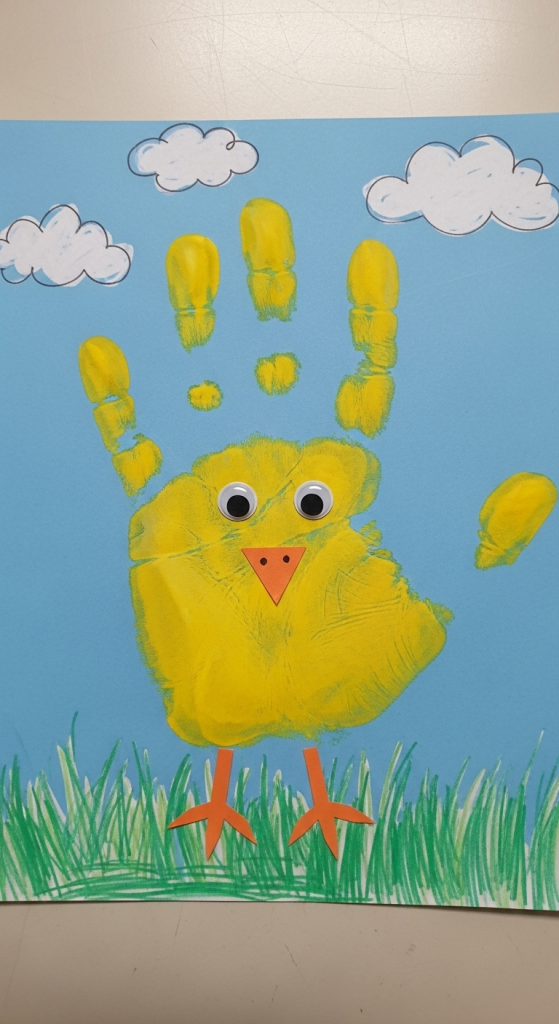
Handprint crafts are popular because they combine personal expression with seasonal themes. Easter chicks represent new beginnings and bright spring colors, making them a natural choice for kindergarten DIY activities. This project transforms a child’s handprint into a recognizable character, creating a keepsake-style decoration that parents appreciate.
The process is beginner friendly and requires minimal setup. It also introduces children to shape recognition, showing how a simple hand outline can become a creative project through small additions.
How to Create
Paint the child’s hand with washable yellow paint and press it onto paper to create the chick’s body. Allow the print to dry before adding details. Once dry, glue small paper triangles for the beak and draw eyes with markers or crayons.
Children can add grass, eggs, or sun shapes around the chick to build a complete scene. Encourage slow, careful drawing to improve control and coordination.
Design Variations
Use different background colors to create contrast and highlight the handprint. For a minimalist style, keep decorations simple with only a few elements. For a more detailed version, add patterned eggs or decorative borders. These variations keep the project fresh while maintaining the same core structure.
Cotton Ball Easter Sheep

Intro
Textured crafts are highly engaging for kindergarten learners because they introduce tactile exploration. Cotton ball sheep crafts are trending Pinterest ideas due to their soft appearance and easy assembly. The fluffy texture immediately connects to the idea of spring animals, making the project visually appealing and educational.
This activity helps children understand layering and placement while practicing glue control. It also encourages patience as they fill the sheep’s body with cotton balls.
Step-by-Step Guide
Draw or print a simple sheep outline on cardstock. Children apply glue within the outline and place cotton balls closely together until the body is fully covered. A paper circle can be added for the face, with drawn eyes and ears.
Encourage children to press gently so the cotton stays secure. Once complete, let the craft dry flat before displaying or hanging.
Common Mistakes
Applying too much glue can cause slipping or long drying times. Demonstrate small glue dots instead of large amounts. Also remind children to stay inside the outline to maintain shape clarity. These small adjustments help create cleaner results and improve crafting skills.
Easter Egg Collage Art
Intro
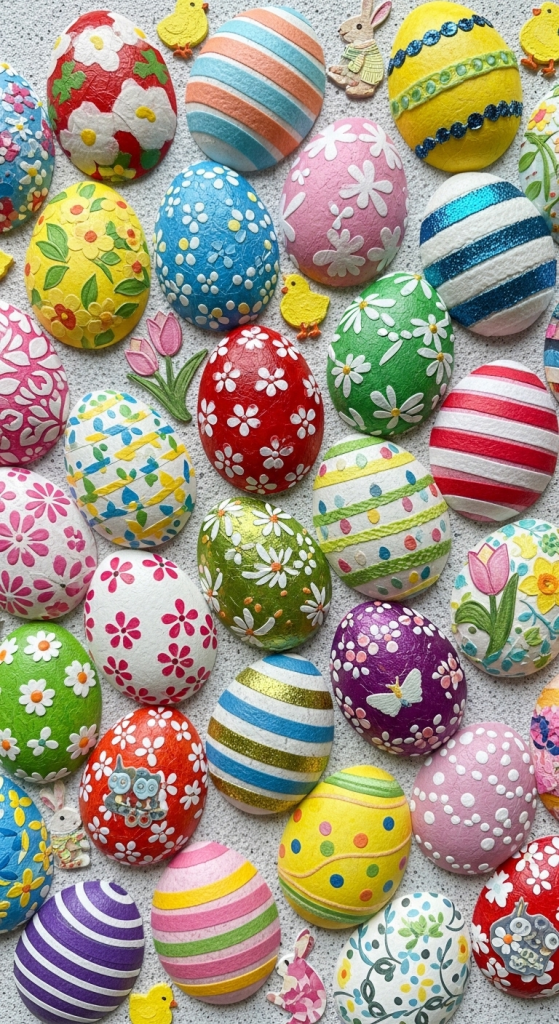
Collage projects are classic Pinterest inspiration ideas because they allow unlimited creativity while using simple materials. Easter egg shapes provide a clear structure, helping kindergarten children stay focused while experimenting with color and texture. This project supports creative decision-making and pattern recognition.
Children learn how different materials work together, from paper scraps to stickers and tissue pieces. The final result looks vibrant and decorative, making it ideal for classroom displays.
Execution Process
Cut large egg shapes from cardstock before the activity begins. Provide small pieces of colored paper, tissue, and safe craft materials. Children apply glue and layer materials to cover the egg completely.
Encourage them to alternate colors or create repeating patterns. This step-by-step approach helps build planning skills while keeping the project beginner friendly.
Organization Tips
Prepare materials in small trays to avoid clutter. Sorting by color helps children choose easily and keeps the activity structured. Display finished eggs together for a unified Easter decoration wall.
Popsicle Stick Easter Baskets
Intro
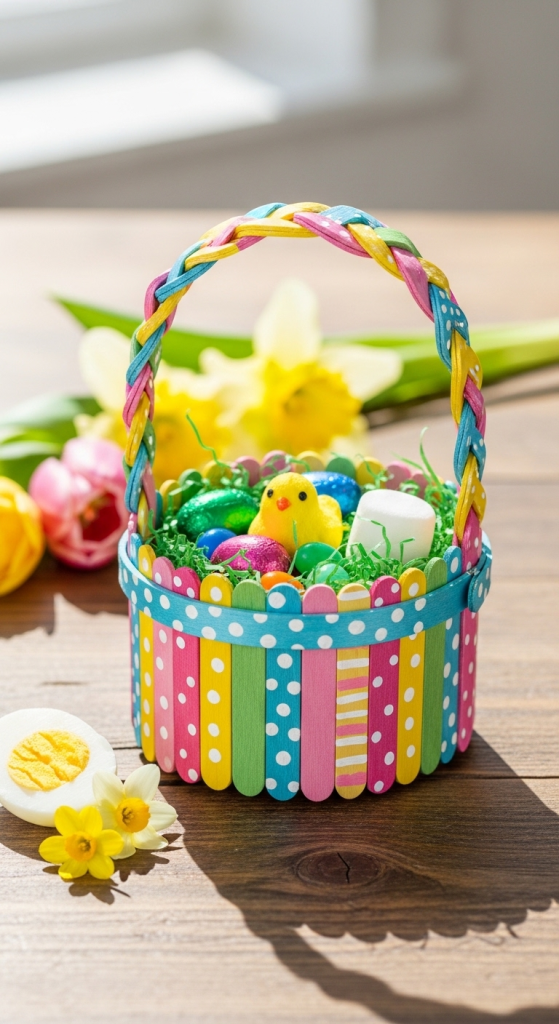
Popsicle stick crafts are popular because they introduce basic building and structure concepts. Easter baskets are a central symbol of the season, making this a practical DIY tutorial idea for kindergarten learners. The project combines creativity with simple assembly skills.
Children enjoy creating something that looks functional, even if it is decorative. This encourages engagement and helps them understand how separate pieces connect to form a shape.
How to Make
Arrange popsicle sticks side by side and glue them onto two horizontal sticks to create a base. Once dry, attach side pieces to form basket walls. Add a paper or pipe cleaner handle for completion.
Children can paint or decorate the basket with markers after assembly. Keeping steps slow and clear ensures successful results.
Budget Version
Use recycled cardboard strips instead of sticks when supplies are limited. This maintains the same creative project concept while reducing material costs. Simple decoration options like crayons or colored pencils also keep the project accessible.
Fingerprint Easter Egg Cards
Intro
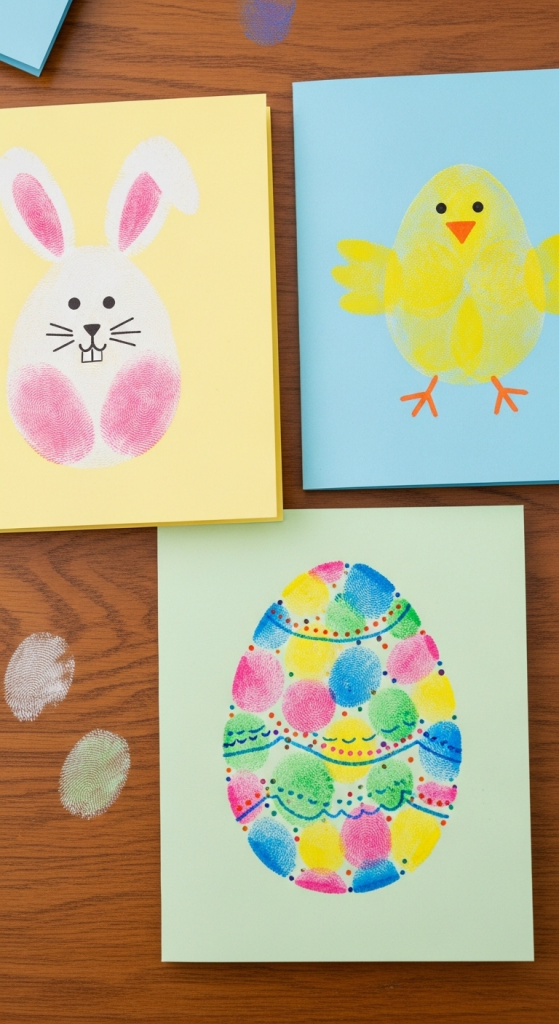
Fingerprint crafts are widely shared on Pinterest because they create unique, personalized designs. Easter egg cards combine creativity with simple decoration techniques that young children can manage independently. This project introduces pattern building through repeated prints.
The activity also supports social learning since children can make cards for family members or classmates, adding meaning to the creative process.
How to Create
Fold cardstock to form a card. Draw a large egg outline on the front. Children dip fingertips into washable paint and press dots inside the outline to create decorative patterns.
Allow drying time before adding additional details like small lines or borders. Encourage spacing between prints to avoid smudging.
Pro-Level Upgrade
Use multiple pastel shades to create layered patterns once the first layer dries. Older kindergarten students can experiment with simple shapes made from grouped fingerprints, adding depth to the design.
Bunny Ear Headbands
Intro
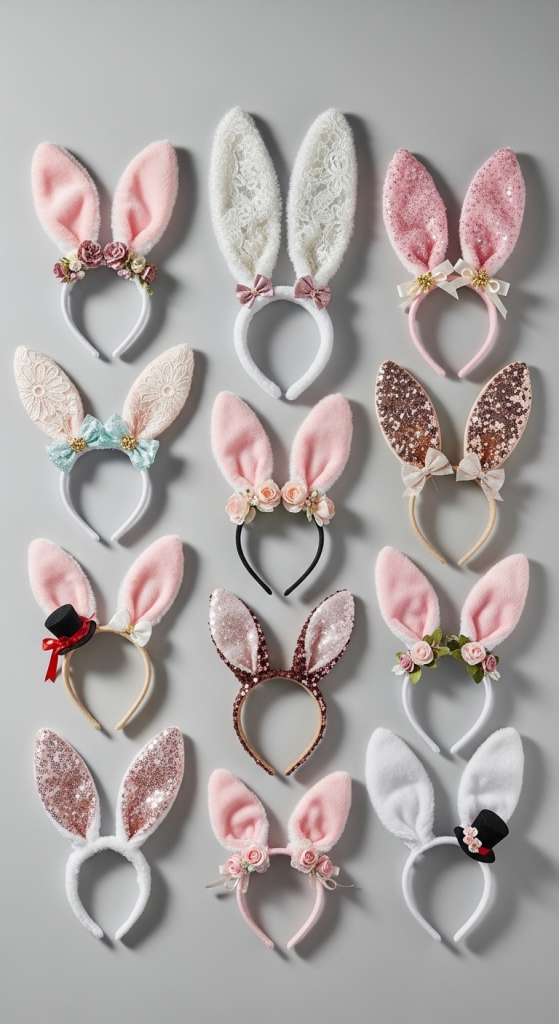
Wearable crafts are highly engaging because children can immediately interact with their finished work. Bunny ear headbands are trending Easter Pinterest ideas that combine crafting with pretend play. This makes the project both creative and functional.
The activity also supports measurement and fitting skills as children adjust the headband to their size. It works well for classroom celebrations or themed events.
Setup Method
Cut long strips of paper for the headband base and staple or glue them to fit each child’s head. Add two large paper ears to the top. Children decorate the ears with crayons, markers, or pastel paper inserts.
Encourage careful placement to keep the headband balanced. Once completed, children can wear them during Easter activities.
Styling Tips
Use soft pastel tones for a modern design look. Adding small patterns inside the ears creates visual interest while keeping the project simple. Group photos of children wearing the headbands also become memorable classroom moments.
Egg Carton Baby Chicks
Intro
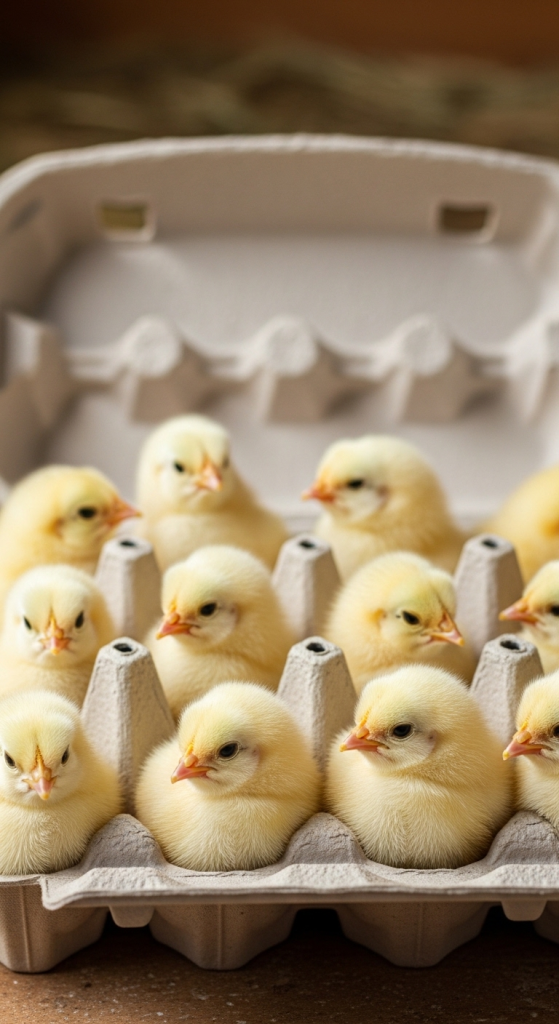
Recycled crafts align with many Pinterest trending ideas because they promote creativity through everyday materials. Egg cartons naturally connect to Easter themes, making them ideal for beginner friendly projects. This craft introduces basic sculpting concepts in a simple form.
Children learn how recycled materials can be transformed into decorative objects, supporting environmental awareness while encouraging imagination.
How to Make
Cut individual cups from an egg carton to form chick bodies. Paint them yellow and allow drying. Add paper wings, small beaks, and drawn eyes. A flat base can be added using cardboard for stability.
Keep paint amounts light to prevent soggy material. Once dry, arrange chicks together for a playful display.
Design Variations
Create chicks with different expressions or wing shapes. Some can hold small paper eggs or sit in paper grass. These small changes keep the activity fresh while maintaining structure.
Tissue Paper Easter Cross Art
Intro
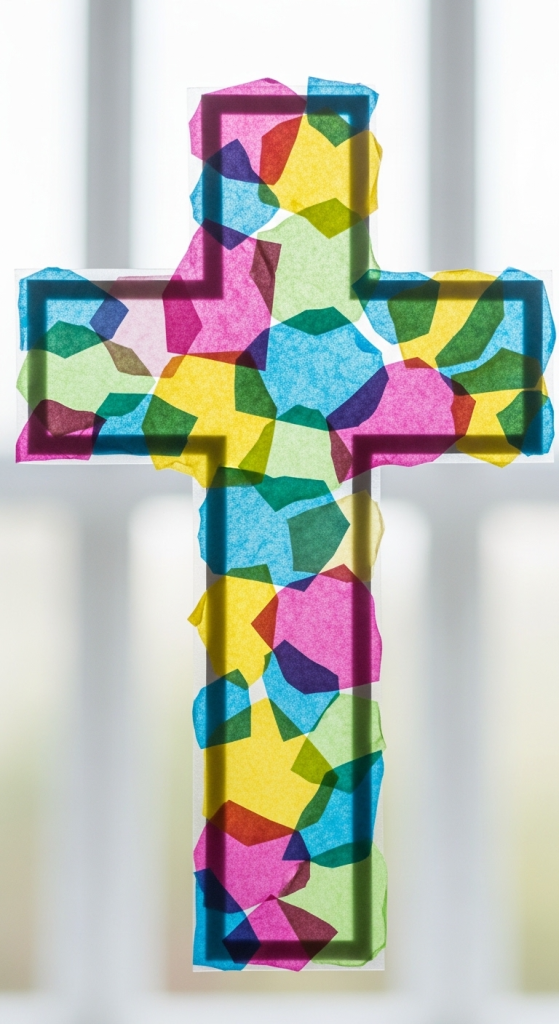
Symbol-based crafts can be adapted for educational or seasonal learning environments. Tissue paper cross art is often shared as a simple decoration project because it combines color layering with clear structure. The project helps children practice gentle placement and color coordination.
The translucent nature of tissue paper adds visual softness, creating an aesthetic result suitable for window displays or classroom decoration.
How to Create
Cut a large cross shape from cardstock. Provide small squares of tissue paper in various colors. Children crumple or fold the paper slightly and glue it onto the shape, covering the surface completely.
Encourage even coverage while allowing color mixing. Let the craft dry before hanging.
Common Mistakes
Using too much glue can tear tissue paper. Demonstrate light glue application and gentle pressing. Keeping pieces small helps maintain neat layering and prevents wrinkles.
Easter Garland with Paper Shapes

Intro
Garlands are popular Pinterest decoration ideas because they fill space quickly and create a festive atmosphere. This project introduces simple repetition and sequencing skills, making it ideal for kindergarten learners. Children enjoy seeing their individual pieces become part of a larger display.
The craft also encourages teamwork when completed as a group activity, helping children understand collaboration and organization.
Step-by-Step Guide
Cut Easter-themed shapes such as eggs, bunnies, and chicks from colored paper. Children decorate each shape with crayons or stickers. Punch holes at the top and thread string through to create the garland.
Space shapes evenly to keep the design balanced. Hang the finished garland across walls or windows for decoration.
Organization Tips
Prepare shape templates beforehand to save time. Assign color groups if working with many children to maintain order. Displaying garlands at eye level increases engagement and appreciation.
Common Beginner Mistakes and How to Avoid Them
Many kindergarten crafts fail not because of difficulty but because preparation is incomplete. One common issue is providing too many materials at once, which can overwhelm young children. Organizing supplies into small portions helps maintain focus and reduces distraction. Clear step-by-step instructions should always be demonstrated visually before children begin.
Another frequent problem is rushing the drying process. Paint and glue require time to set, and moving crafts too early often damages the final result. Creating a dedicated drying area prevents accidents and keeps the workspace organized. Adults should also avoid over-correcting children’s designs, since creative freedom is part of the learning process.
Safety and simplicity should guide every DIY tutorial. Pre-cutting complex shapes, using child-safe scissors, and keeping instructions short ensures a smoother experience. When these practical adjustments are applied, children remain engaged and confident throughout the creative project.
Practical Tips for Better Results
Consistency improves outcomes in kindergarten crafts. Setting up materials in the order they will be used helps children follow the process without confusion. Demonstrating each step slowly while repeating key actions reinforces understanding. Pinterest inspiration often highlights clean, aesthetic results, but these are achieved through clear planning rather than complex techniques.
Encouraging children to clean their workspace between steps teaches organization skills and keeps materials usable. Labeling glue, paper, and decorative items helps them identify tools independently. This reduces interruptions and supports smoother project flow.
Allowing flexibility within structure also improves results. Children can choose colors or small decorative details while still following the main design. This balance between guidance and freedom leads to creative ideas that feel personal while maintaining the overall theme.
Styling and Presentation Ideas for Easter Displays
Presentation transforms simple crafts into attractive decorations. Grouping similar projects together creates a cohesive visual effect often seen in modern Pinterest boards. For example, displaying all bunny crafts in one area and egg-themed projects in another helps organize the space visually.
Using neutral backgrounds allows colorful crafts to stand out. String displays, bulletin boards, or table arrangements can turn handmade items into a complete seasonal decoration. Labels with children’s names add a personal touch while keeping the display organized.
Rotating crafts throughout the season keeps the environment fresh. Some projects can be hung, while others are placed on shelves for variety. Thoughtful presentation helps children feel proud of their work and encourages continued participation in creative projects.
Budget and Time Planning for Kindergarten Craft Sessions
Planning ahead saves both time and resources. Many Easter kindergarten crafts rely on low-cost materials such as paper, recycled cardboard, and cotton balls. Buying supplies in bulk or using leftover classroom materials supports budget ideas without reducing creativity.
Time planning is equally important. Simple projects should fit within short attention spans, usually 20 to 30 minutes including setup and cleanup. Breaking activities into clear stages helps children complete each step successfully. Preparing materials beforehand prevents delays and keeps energy focused on creation.
Batch preparation also improves efficiency. Cutting shapes in advance or pre-sorting materials ensures smoother execution. These planning strategies allow teachers and parents to manage multiple children while maintaining a calm, organized environment.
Creative Expansion and Advanced Inspiration
Once children are comfortable with basic Easter crafts, activities can be expanded to include storytelling, themed displays, or combined projects. For example, bunny faces, chicks, and eggs can be arranged into a full spring scene. This encourages imaginative thinking while reinforcing previously learned skills.
Advanced inspiration can include layering textures, introducing simple patterns, or combining recycled and new materials. These upgrades keep activities fresh without making them complicated. Pinterest ideas often evolve through small variations rather than entirely new concepts, making expansion easy to manage.
Encouraging children to explain their creative choices also strengthens communication skills. Displaying finished projects together shows how individual ideas contribute to a larger aesthetic. This final step turns simple crafts into meaningful creative experiences that support both learning and seasonal celebration.